
Calmory Author Team
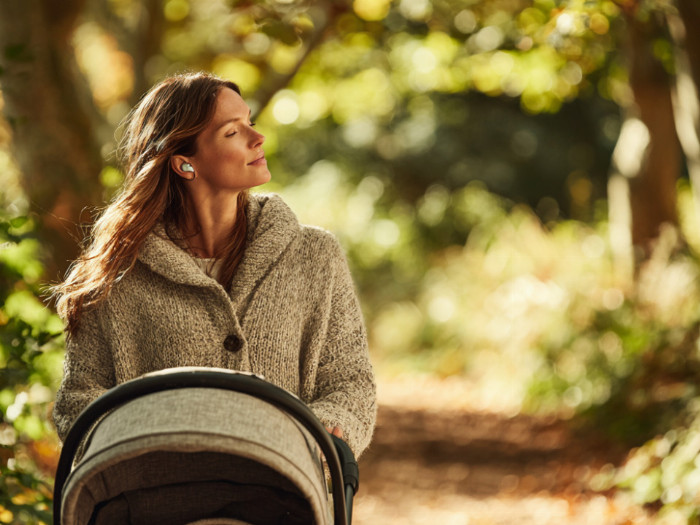
Barefoot Back to Yourself: What Children Teach Us About Calm, the Body, and the Ground Beneath Our Feet
Read articleMotherhood often pulls us into an endless cycle of caring for others, where our own breath and peace are pushed to the sidelines. This article will show you how to turn a simple walk into a deeply restorative ritual. The sounds of nature, the rhythm of your steps, and mindful walking help soothe the nervous system and give you precious moments just for yourself, while your little one rests peacefully.

Why Your Best Ideas Come When You're Walking
Premium articleAre you sitting at your desk, struggling to find a solution to a challenging task? Perhaps the problem isn't a lack of ability, but a lack of movement. Discover why a brain in motion thinks completely differently than one at rest, and how every step can literally “illuminate” your creative thinking and bring calm into the chaos of everyday life.
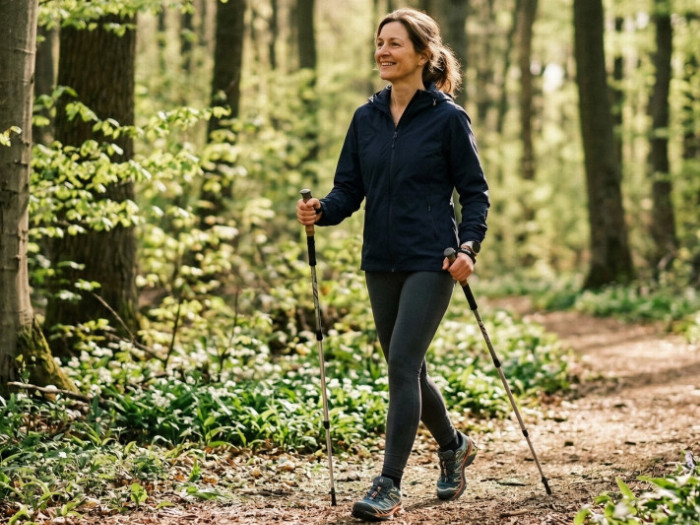
Alchemy in Motion: How Spring Walking Changes Brain Chemistry
Read articleForget complex laboratories. The most perfect pharmacy is located right inside your head, and the key to it is a simple walk. Discover how a fifteen-minute stroll can dissolve accumulated stress and why your brain literally comes alive when you swap your high heels for sneakers.
Senses as an emergency brake: Why your body understands touch better than words
Read articleWe all know this feeling. We're sitting in an important meeting or trying to fall asleep when a wave of anxiety washes over us. Our rational mind tries to logically explain that "it's nothing," but the body doesn't listen. The heart pounds, palms sweat. This is because in crisis mode, our brain shuts down the logical center and switches to instincts. To calm down, we need to speak to the body in the language it understands at that moment: the language of senses, pressure, and rhythm. Calmness isn't a matter of willpower, but a biological skill that we can teach our body anew.
Your Nervous System Learns from Your Breath: How to Stay Calm Even During Challenging Cycle Days
Premium articleYour nervous system isn't a static machine but a living organism that's constantly learning. And for women, this 'learner' has to cope with a hormonal storm every month. In this article, we'll explain why your breath works differently in the second half of your cycle and how to teach your body to stay calm, even when progesterone signals panic.
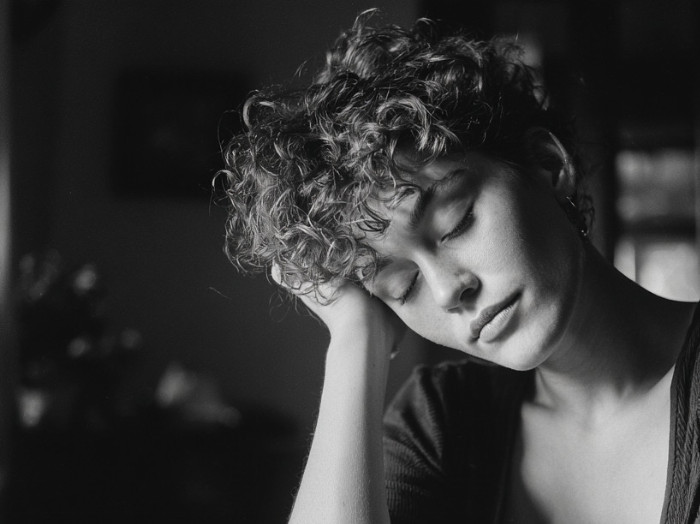
When Your Body Lacks CO₂, It Struggles to Calm Down
Premium articleMany of us grew up believing oxygen is 'good' and carbon dioxide is 'bad' waste. Yet, within your body, the opposite is often true. Carbon dioxide (CO₂) is a vital key to your inner calm. If its levels are low, your nervous system can struggle to switch off the 'fight or flight' response.
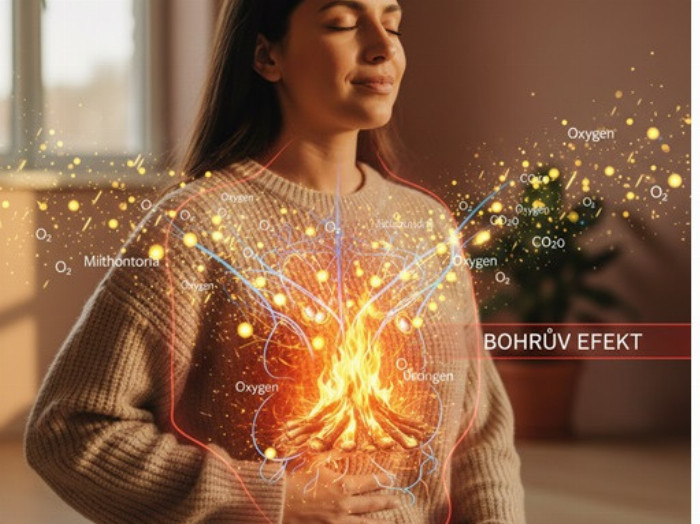
How Your Breathing Style Affects Your Body's Energy
Premium articleDo you sometimes feel exhausted before noon? It might not be a lack of sleep, but the way you breathe. If you breathe too much or through your mouth, your oxygen can remain 'trapped' in your blood, and your cells lack the key to unlock it. Let's explore how to breathe so your body can finally start producing energy, instead of merely relying on emergency reserves.
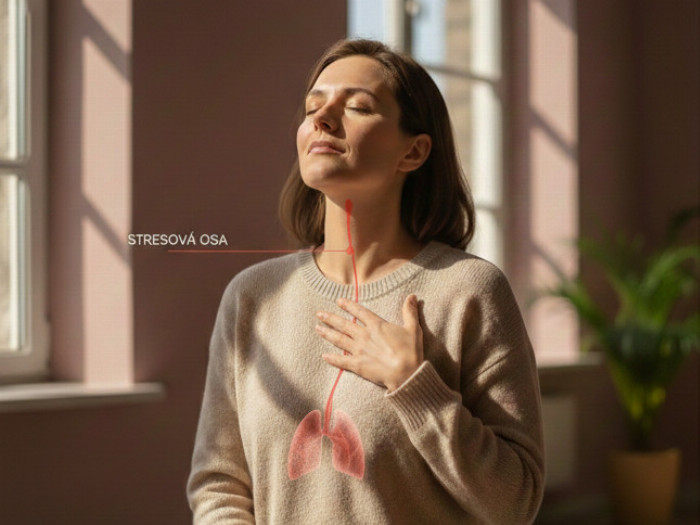
Anxiety as an Overheated Alarm in Your Body: Why Your Body Panics and How to Soothe It
Premium articleDo you sometimes feel your body clench even before you can finish a single anxious thought? Your heart races, you feel a lump in your throat, and your breath shortens. It's not your fault, and you're not 'broken.' An ancient protective system in your brain has simply been activated, and in today's world, it's forgotten how to switch off. Let's explore what's happening in your body and how you can reset this internal alarm for calm.
Why short moments of calm work better than a long holiday
Read articleMany people wait for calm to arrive with time off, a holiday, or a big change. But the nervous system does not work that way. The body does not remember exceptional moments — it remembers experiences that repeat. In this article, we look at why small moments of calm have more power than a one-off rest.