Meditation at work: a luxury, or the new standard?
The pace of work and the mental load on employees have changed markedly in recent years. A short meditation can support focus, inner calm, and the ability to handle demanding situations at work. Offices are not turning into meditation centres. More and more people, though, are finding that two or three minutes of a conscious pause can change the whole working day.

Monday, 8:17. The computer has barely woken up, and twenty new emails are already waiting on the screen. Then the phone rings, a colleague peeks into the office with the words: "Got a minute?", and the calendar reminds you of a meeting you had almost forgotten. The coffee is still hot, but the mind is already running at full speed.
Most of us know a morning like that. Work today is demanding not only because of what we do, but also because of how many stimuli we have to process in the space of a few minutes. The brain jumps from one task to another without being given space for a short recovery. In the evening, a tiredness arrives that even eight hours of sleep often cannot fix.
That is why meditation is gradually finding its place in the workplace as well. It does not arrive as yet another item in the calendar, nor as a fashionable perk. It is a simple way to pause for a moment during the day and bring attention back to where it is needed.

Why meditation is making its way into the workplace
Just look around you. Ten years ago, most people dealt with a handful of emails a day. Today we handle emails, video calls, chat apps, shared documents, and often several projects at once. On top of that comes the expectation that we will respond almost immediately.
Our brains, however, have not gone through the same modernisation as the technology. They need moments when they don't have to decide anything, evaluate anything, or reply to anything. That is precisely when attention is restored and information is processed.
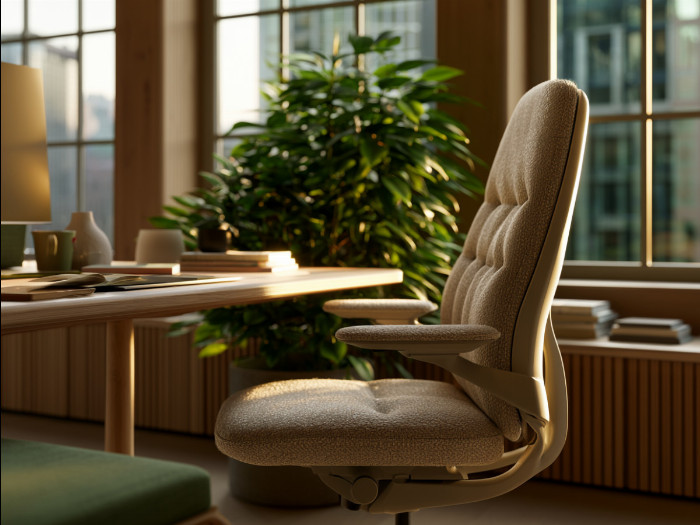
Mental health professionals are increasingly pointing out that looking after the mind belongs to a healthy working rhythm just as naturally as an ergonomic chair or a lunch break. That is why meditation is appearing in companies, schools, hospitals, and public offices. It is not about finding perfect calm. It is about creating a few minutes when the mind does not have to run at a hundred percent.
When can meditation during work help the most?
Every working day contains moments when we would most like to press a restart button. Except that a person does not have any such button.
A short meditation can help before a meeting, when you need to settle your nerves and sort your thoughts. It also works well after a difficult phone call or a conversation that has left you tense. Instead of the bad mood carrying over into the next part of the day, the brain gets a chance to start again.
It also has a place in the afternoon, when energy naturally dips. Many people automatically head for the coffee machine. A second or third coffee is not a problem. Now and then, though, it is worth trying a different experiment. Sit down, put the phone aside for two minutes, and give a few calm breaths to your own breathing alone. The result is often surprising. You return to work with more ease than if you had just mindlessly scrolled through social media.
How to meditate at work when you only have a few minutes
The first attempts tend to be surprisingly ordinary. Sit comfortably, place your feet on the floor, and notice your breath. Don't try to breathe deeply or correctly. The breath has long known how to do its job. It is enough to notice that it comes and goes. After a few seconds you will find you are thinking about a spreadsheet in Excel, the shopping, or what you will cook for dinner. That is exactly the moment when most people feel they cannot meditate.
The opposite is true. The point of meditation is not to stop thinking. The point is to notice that the mind has wandered, and calmly bring it back. Even ten times in two minutes. That is how attention is trained.
Some people prefer closed eyes; others look out of the window or at a mug of coffee. Still others use short guided meditations in headphones. Anyone can find a way that fits into their working day.

How to make meditation a natural part of the working day
New habits are not born of big decisions. They are born of repetition.
Choose one moment that repeats almost every day. It might be the time before the first meeting, after lunch, or before leaving for home. That is when you give yourself two or three minutes of calm. You don't have to tell anyone. You don't have to persuade colleagues to meditate with you. Just as some people take a short walk at break time and others read a book, meditation can be your own way of replenishing energy.
After a few weeks you may find that the number of emails has not shrunk and meetings do not last any less time. Something far more important will have changed, though. The way you respond to the working day.
In closing
Meditation does not have to mean a long sit in silence. A few minutes of a conscious pause during the working day is often enough for the mind to settle and attention to return to what matters right now. At a time when we work with our heads more than ever before, meditation is ceasing to be a luxury. It is becoming a natural part of looking after our own mental fitness.
Calmory recommends
Don't wait for the day when you will have more time. That day usually never comes. Choose one moment during the working day and give yourself two minutes of conscious calm. It is precisely these small, regular steps that tend to bring the greatest changes.
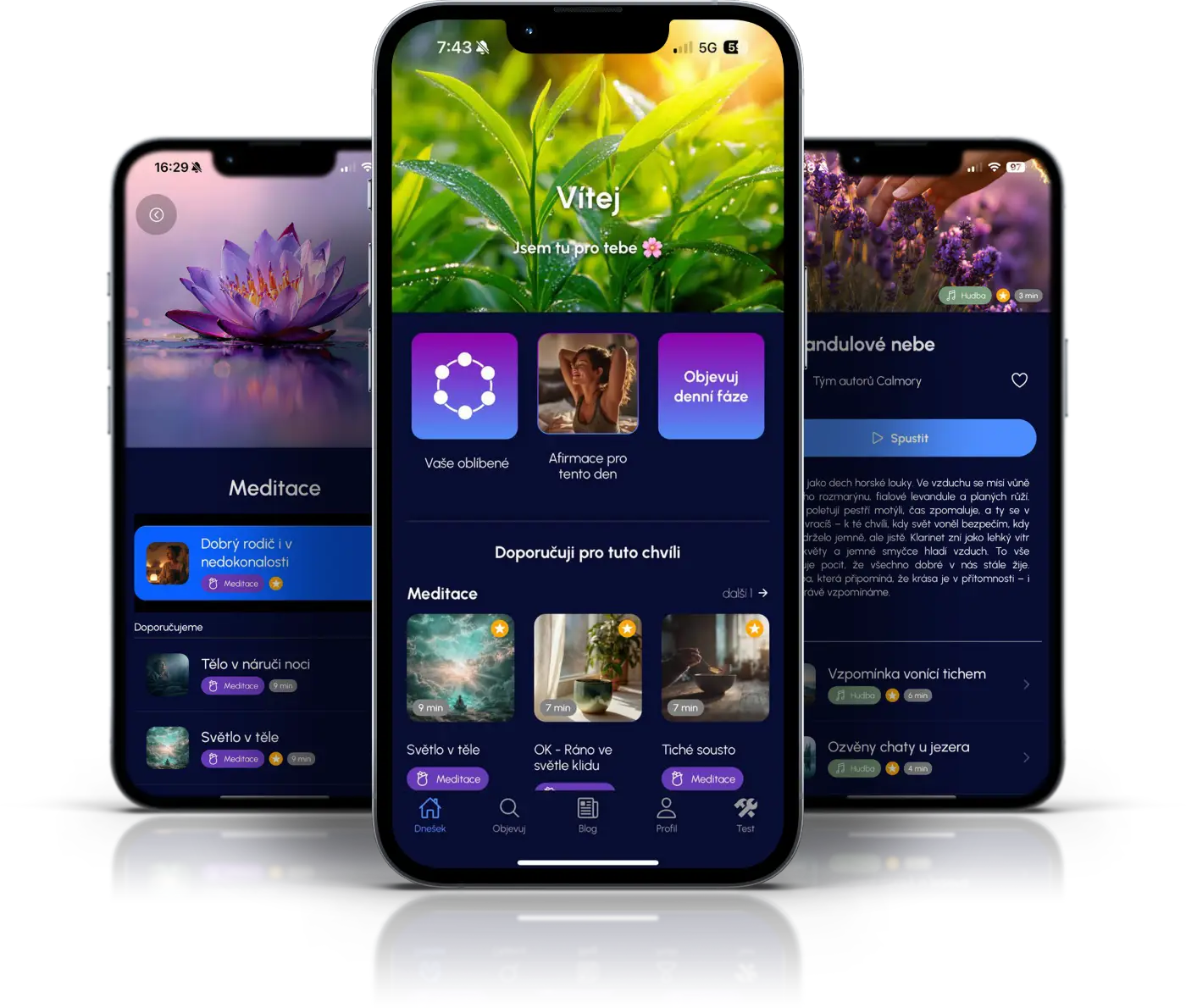
Try the short meditations designed specifically for the working day in the Calmory app.
Calmory Author Team
We are a team of writers who believe in the power of stories and honest emotional sharing. We focus on topics related to mental health, personal growth, and everyday life as it is truly lived. We write with respect, openness, and humanity. Our texts come from personal experiences, from the heart, and from ordinary situations that we all go through.
Klid se dá naučit.
Začněte s Calmory ještě dnes.
Dostupné nyní pro iOS a Android

Naskenujte QR
a stáhněte si aplikaci