Why do we feel different after meditation?
When people hear the word meditation, most imagine a calming of the mind. In reality, however, the whole body responds within a few minutes. The rhythm of the breath, the heart rate, and the activity of the nervous system can all change. That is why meditation is often associated with a feeling of relief, ease, and greater inner calm.

You may know this. You have had a demanding day, your head is full of tasks, and your body still seems to be running at high speed. Then you pause for a moment, take a few deep breaths, and suddenly you notice that the tension has eased a little. The shoulders drop, the breath slows, and thoughts no longer race as wildly as they did a few minutes ago.
Many people describe a similar experience during meditation. It is not a coincidence, nor merely a feeling. The whole organism responds to a few minutes of conscious calm. The brain, the nervous system, the heart, and the breath are in constant communication with one another.
Modern research shows that meditation is not only a mental activity. It also affects a number of bodily processes linked to stress, recovery, and a sense of safety. So what actually happens in the body during a few minutes of meditation?
The nervous system and a sense of safety
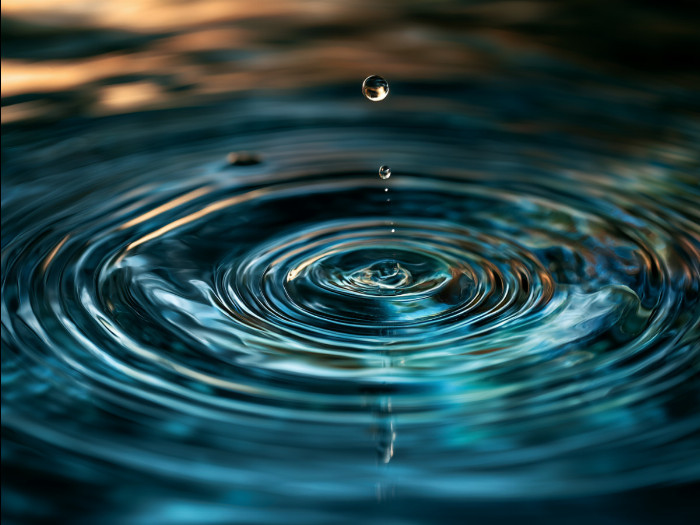
Our body is equipped with a system that constantly assesses whether we are safe, or whether we should prepare for possible danger.
When we are under pressure, the so-called sympathetic nervous system activates. The heart rate speeds up, the muscles tense, and the body prepares for action. This mechanism is important in moments when we truly need to respond quickly.
The problem is that modern life brings many situations that are not life-threatening, yet our body reacts to them in a similar way. Work deadlines, conflicts, constant notifications, or long-term overload can keep the nervous system in a state of heightened alert.
Meditation helps activate the opposite part of the nervous system, known as the parasympathetic nervous system. It is sometimes called the rest-and-repair system. The body receives a signal that it can slow down, release tension, and devote energy to recovery.
That is why people often describe feeling calmer after meditation, more grounded, and more in contact with themselves.
What happens with the breath?
The breath is one of the few functions in the body that we can influence both consciously and unconsciously. At the same time it works as a bridge between mind and body.
In stress the breath tends to be shorter, faster, and shallower. The body prepares for action and uses more energy. In calm, by contrast, the breath naturally slows and deepens. Many meditation techniques work precisely with observing the breath. Not because there is some perfect way of breathing, but because the breath can affect the functioning of the nervous system very quickly.
When we consciously slow the inhale and the exhale, the body receives the information that it does not need to stay on alert. This simple process can, within a few minutes, contribute to a greater sense of stability and calm. Sometimes people think that during meditation they have to breathe in some special way. In reality it is often enough simply to follow the breath and let it gradually find its own natural rhythm.
What happens with the heart and hormones?
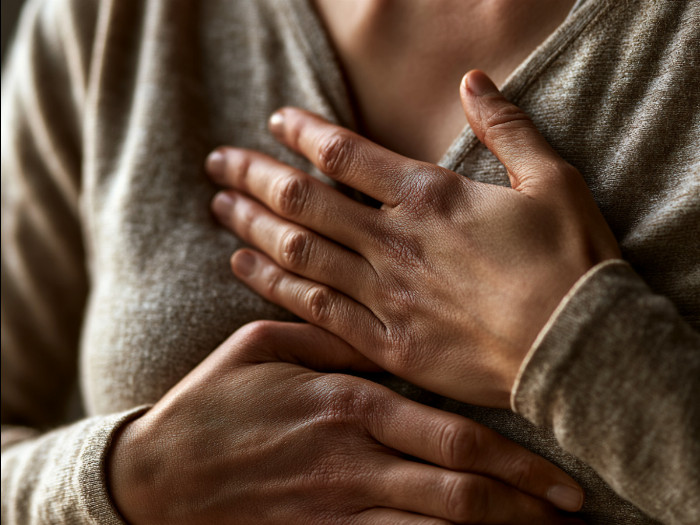
The heart also responds to changes in the nervous system. As the body settles, the heart rate usually slows and the body begins to work more economically.
At the same time there are changes in how stress hormones are handled. In this context people most often speak of cortisol, which helps us cope with demanding situations. In the short term it is very useful. If it remains elevated over the long term, however, it can contribute to fatigue, irritability, or problems with sleep. Meditation is of course not a switch that removes all stress within a few minutes. It can, however, support the processes that help the body return to balance.
That is why many people after meditation describe a feeling of relief, greater lightness, or the sense that their body could finally take a breath for a moment.
Why do we feel different after meditation?
The brain, the nervous system, the breath, and the body form one interconnected whole. When we affect one part of the system, the others respond as well. Meditation does not act only on thoughts. It reaches into processes linked to attention, stress, breathing, and physical tension. That is why a few minutes of quiet pausing can affect not only our mind, but also how we feel in our own body.
This is not magic, nor a secret. It is the organism’s natural ability to move between a state of alert and a state of recovery.
What to take away from this article
When we meditate, it is not only our mind that is at work. The whole organism responds. The breath slows, the activity of the nervous system changes, the heart works more calmly, and the body gets a chance to restore its strength. That is why even a few minutes of conscious pausing can be a useful part of everyday care for mental and physical wellbeing.
Try it in Calmory
Try a Body Scan meditation or one of the breathing techniques in the Calmory app and notice how your mind and body respond to a few minutes of conscious calm.

Calmory Author Team
We are a team of writers who believe in the power of stories and honest emotional sharing. We focus on topics related to mental health, personal growth, and everyday life as it is truly lived. We write with respect, openness, and humanity. Our texts come from personal experiences, from the heart, and from ordinary situations that we all go through.
Klid se dá naučit.
Začněte s Calmory ještě dnes.
Dostupné nyní pro iOS a Android

Naskenujte QR
a stáhněte si aplikaci